

- Mon-Sat (3PM - 8PM)
Sun-With prior appointment


About Us
Dr. Utpal Patel, MD Dermatology from AIIMS, New Delhi, offers expert skincare and hair treatments, specializing in clinical dermatology, dermato-surgery, trichology, lasers, and facial aesthetics..
Contact Info
- 202-203,Shreedhar Aurum, Besides Shivalay Parisar, Near Prominent Hotel, Kudasan,Gandhinagar
- +91 95584 66630
- drutpalskinhealthclinic@gmail.com
- Mon-Sat: 03.00 to 8.00
Sunday: Closed


Why Hair Falls Out: A Dermatologist’s Take on Causes Across All Ages
Hair loss is one of those things that can hit at any age—whether you’re a teen spotting a receding hairline, a new mom shedding clumps, or a grandparent noticing thinner strands. As a dermatologist, I see it all, and the first step to tackling it is understanding why it’s happening. From toddlers to seniors, here’s a rundown of the causes behind hair loss across the lifespan—and what it means for you.
Hair Loss in Kids (Ages 0–12)
Tinea Capitis: A fungal infection (think ringworm) that shows up as scaly, bald patches. Kids catch it from shared hats or combs. I treat it with antifungal meds—caught early, hair grows back.
Alopecia Areata: An autoimmune condition where the body attacks follicles, causing smooth, round bald spots. It’s unpredictable—sometimes it’s a one-off, sometimes chronic. Steroid creams or shots can help.
Traction: Tight ponytails or braids pull hair out over time. I’ve seen this in kids with cultural hairstyles left too long—loosening up saves follicles.
Nutritional Deficits: Low iron or protein from picky eating can thin hair. A blood test confirms it; diet tweaks (like eggs or spinach) fix it.
Parent Tip: If your child’s losing hair, don’t panic—most causes are reversible with a quick visit to me.
Teens and Young Adults (Ages 13–25)
Puberty’s chaos can shake up your scalp.
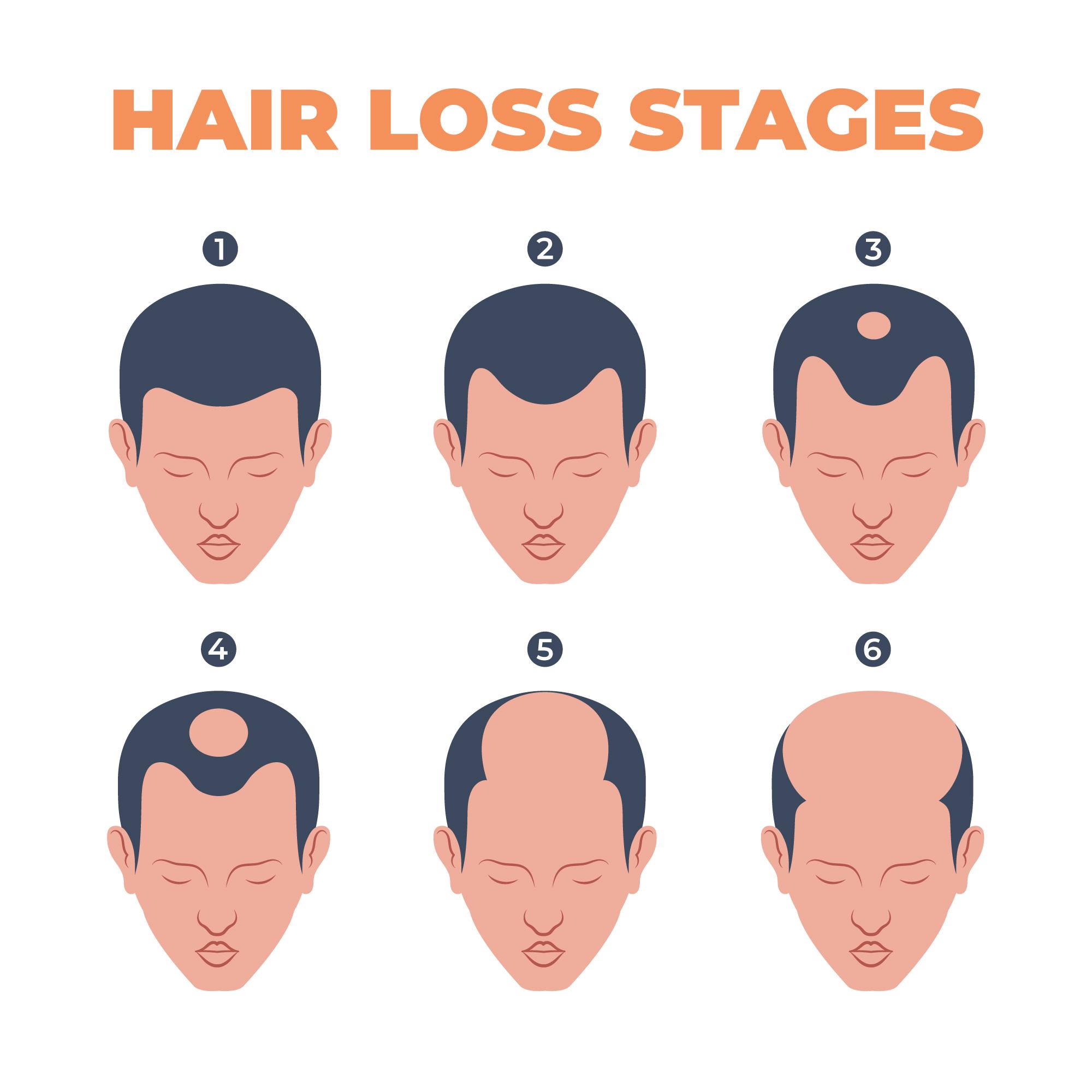
Hormonal Shifts: Androgens (male hormones) kick in, triggering androgenetic alopecia—aka pattern baldness. Boys see receding hairlines; girls get diffuse thinning. It’s genetic—check your family tree. Minoxidil’s my go-to here.
Stress: Exams, breakups, or sports pressure spike cortisol, pushing follicles into rest mode (telogen effluvium). Hair falls out 2–3 months later—temporary, but dramatic. Chill tactics help.
Styling Damage: Heat tools, bleach, or tight buns break strands or yank roots. I’ve treated teens with traction alopecia from daily topknots—give hair a break!
Diet Fads: Crash diets or veganism without planning cuts iron, zinc, or biotin. A 2025 Teen Health Journal study linked low zinc to 20% more shedding in this group.
Young Adult Takeaway: Your hair’s resilient—ease up on stress and styling, and we can reverse most of this.
Adults (Ages 26–50)
Life gets busy, and hair takes the hit.
Androgenetic Alopecia: Peaks here—50% of men and 25% of women by 50 see it. Men lose the crown; women thin at the part. Finasteride (men) or spironolactone (women) can slow it.
Postpartum Shedding: New moms lose handfuls 2–6 months after birth—hormones crash, follicles rest. It’s normal; regrowth starts by year one. Iron supplements speed it up if levels dip.
Medical Conditions: Thyroid issues (hypo or hyper) thin hair diffusely—dry for hypo, oily for hyper. Diabetes or lupus can too. Bloodwork pinpoints it; treating the root cause helps hair.
Medications: Chemo, antidepressants, or blood pressure meds shed hair as a side effect. It’s usually temporary—ask me about timing.
Adult Advice: Life’s stressors show in your hair—let’s dig into your health history for answers.
Older Adults (Ages 51+)
Aging shifts the hair game.
Senescent Alopecia: Natural thinning as follicles shrink with age—by 70, most notice it. It’s gradual, not patchy. PRP (platelet-rich plasma) can perk things up.
Hormone Decline: Menopause drops estrogen, thinning women’s hair; testosterone dips in men worsen pattern loss. Hormone therapy’s an option—let’s weigh risks.
Chronic Illness: Heart disease, arthritis, or cancer treatments hit hair hard. Nutrient absorption drops too—iron and vitamin D are common culprits.
Scalp Changes: Dryness or seborrheic dermatitis from less oil production weakens roots. Medicated shampoos clear it up.
Senior Note: Aging hair’s normal, but sudden loss isn’t—let’s rule out treatable causes.
Universal Triggers (All Ages)
Some culprits don’t care how old you are:
Deficiencies: Iron, zinc, vitamin D, or biotin shortages shed hair across the board. Jamun fruit, spinach, or oysters can restock—diet’s a fix I love.
Autoimmune: Alopecia areata or scarring alopecias (like lichen planopilaris) strike anytime, leaving bald patches or scars. Steroids or immunosuppressants manage it.
Toxins: Heavy metals or pollution can sneak in—rare, but I’ve seen it in industrial workers.
What You Can Do
Check Your Plate: Iron (jamun, red meat), zinc (pumpkin seeds), and omega-3s (salmon) feed follicles. A 2025 Dermatology Insights study showed nutrient-rich diets cut shedding by 15%.
Gentle Care: Skip harsh shampoos or daily heat—sulfate-free and air-drying rule.
Scalp Health: Massage weekly; treat dandruff with ketoconazole shampoo.
See Me: Losing more than 100 strands daily (normal shedding) or seeing bald spots? Time for a chat—blood tests or a scalp biopsy might uncover the “why.”
Hair loss isn’t one-size-fits-all—it’s a puzzle, and every age has its pieces. I’ve helped teens regrow after stress, moms recover post-baby, and seniors thicken up with the right plan. Whether it’s diet, meds like minoxidil, or advanced options like PRP, we’ve got tools. Your hair’s story matters—let’s write a better chapter together.
If more in-depth knowledge or personalized support is what you’re after, we’d be delighted to assist you—just contact Dr. Utpal’s Skin Health Clinic today.